



Snoring and
Sleep Apnea

Effective Snoring & Sleep Apnea
Treatment at East Ridge Dental
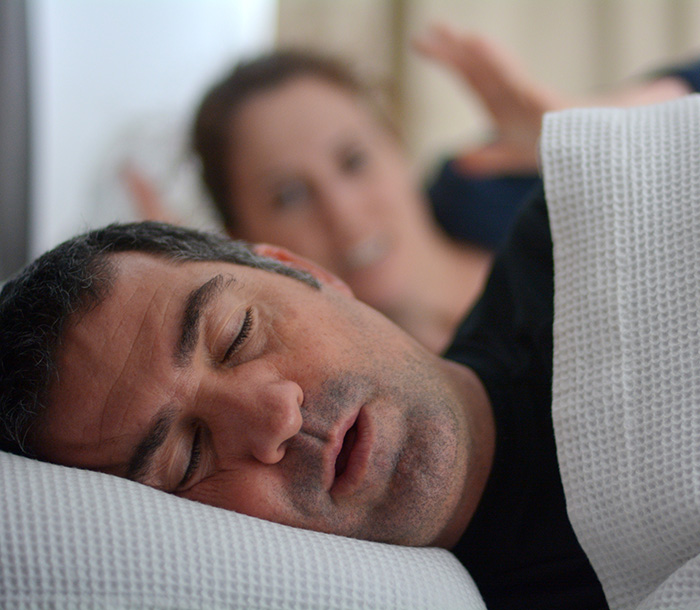
Some snoring and occasional restlessness is normal. What isn’t normal is constant tossing and turning, waking up gasping for air, and days where you and your loved ones suffer sleep deprivation due to consistent nighttime disruptions. Snoring and sleep apnea treatment at East Ridge Dental can help address these common issues, which can range from moderate to severe and affect both your health and your daily life.
What Is Snoring?
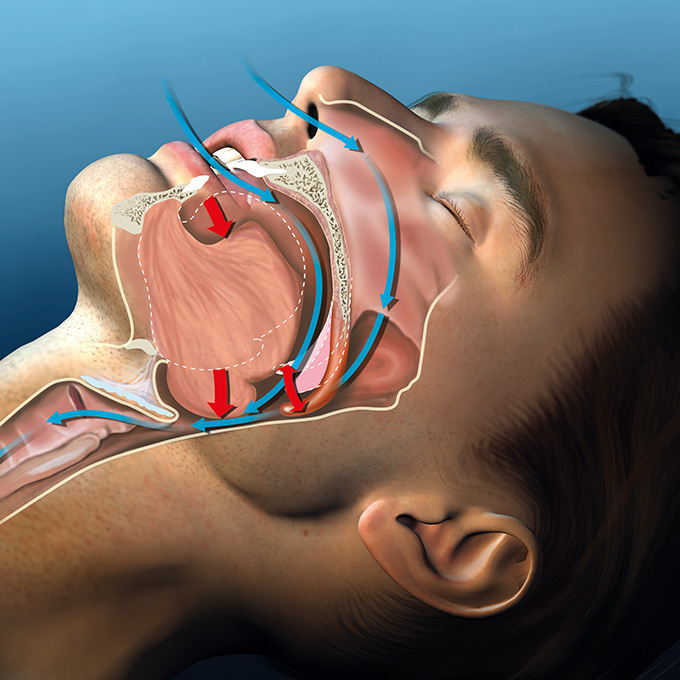
Snoring is a sound created by the vibration of soft tissues in your mouth and throat. When these tissues loosen, it causes the airway to narrow and forces air through the smaller opening. This causes the tissues to flutter, creating sound vibrations in the throat that result in snoring.
What Causes Snoring?
- Congestion
- Being overweight
- Excessive alcohol consumption
- Stress • Enlarged Tonsils
- Sleeping on your back
What Is Sleep Apnea?
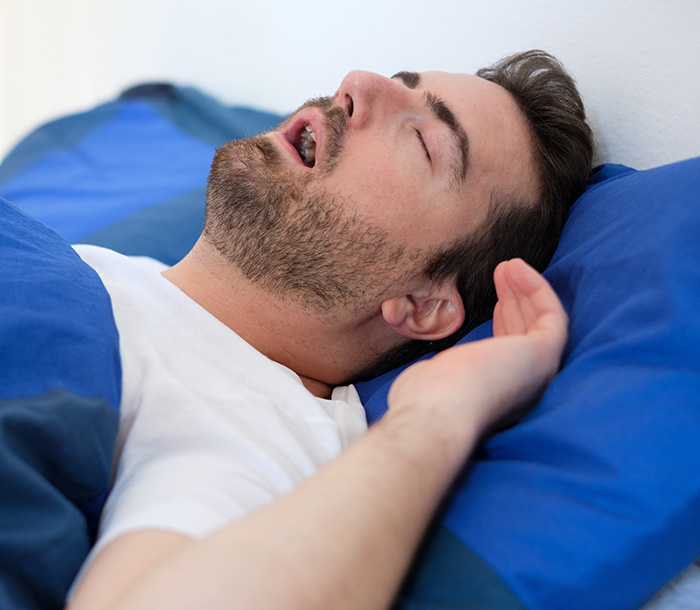
Sleep apnea is a disorder that causes your body to stop breathing while you sleep. The lack of oxygen jolts you awake, although you may not remember waking up. The process repeats multiple times, consistently disrupting your sleep cycles and lowering your sleep quality.
There are three types of sleep apnea:
Central sleep apnea (CSA) occurs when the brain fails to send signals to the body to breathe during sleep.
Obstructive sleep apnea (OSA) is the most common form of sleep apnea, affecting over one billion people worldwide. OSA is caused by the collapsing of airways blocking airflow into the lungs. The harder you try to breathe, the tighter the airway seals. This airway obstruction persists until the brain partially wakes you up.
Complex (or mixed) sleep apnea (MSA) is when both obstructive and central sleep apnea occur at once.
Causes of Sleep Apnea
While sleep apnea has similar causes to that of snoring, there are additional reasons you may develop the disorder including:
- Family history of sleep apnea
- Brain tumors
- Jaw misalignment
- High blood pressure
- Diabetes
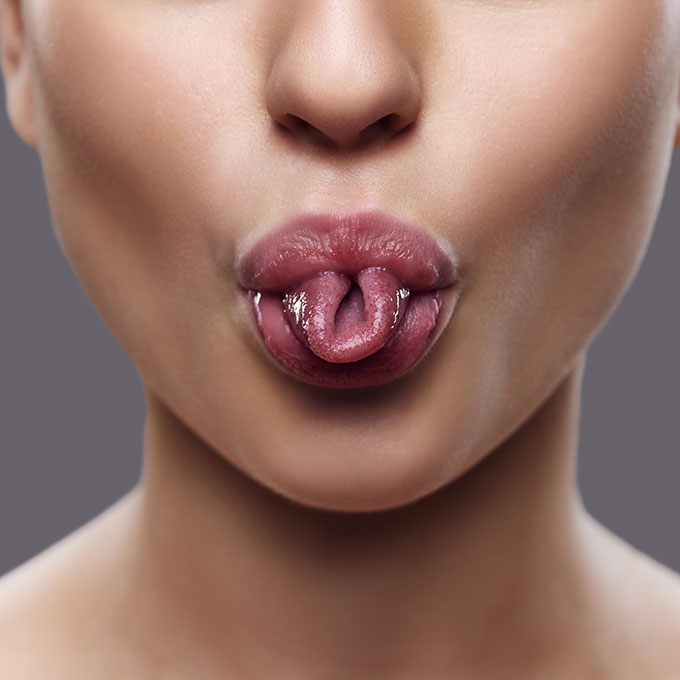
Orofacial Myofunctional Therapy
Through targeted exercises, this therapy helps strengthen and retain the muscles of the tongue, lips, and throat, encouraging proper tongue posture and nasal breathing. As these patterns improve, the airway becomes more stable and open during sleep, which can reduce snoring, support better oxygen flow, and enhance overall sleep quality. It is often used alongside other treatments, such as oral appliances or medical care, to create more lasting and comprehensive results.
Frequently Asked Questions
If I snore, do I have sleep apnea?
Snoring is a common sign of sleep apnea, but it doesn’t always mean you have that particular sleep disorder. Our dentists help you figure out if your snoring is a symptom of sleep apnea by recommending you to a sleep specialist for a sleep study. During a sleep study, a machine will record your vitals while you sleep and the data will later be analyzed.
Do snoring and sleep apnea go away on their own?
Chronic loud snoring and sleep apnea are conditions that aren’t likely to go away on their own. This is especially true for sleep apnea because it causes a cycle of worsening symptoms like obesity, that worsen the disorder.
The best way to treat loud snoring and sleep apnea is to seek professional treatment. If you’re dealing with loud snoring and/or possible signs of sleep apnea, please contact our office by dialing (605) 373-0245.
Featured Reviews
We’re proud of the relationships we’ve cultivated with our patients - and even prouder when they are willing to tell others about us!